

Many prospective ketamine patients look up “ketamine side effects” before committing to therapy. While ketamine‑assisted psychotherapy (KAP) has become a powerful tool for treatment‑resistant depression, chronic pain, and other conditions, misinformation abounds. Some articles dwell on recreational abuse while others gloss over risks entirely. This post cuts through the noise by comparing Daytryp’s medically supervised approach with what the research shows about both short‑term and long‑term effects of ketamine. It also synthesizes what users ask on forums and what competitors emphasize, so you can make an informed decision.
What Is Ketamine?
Ketamine is a dissociative anesthetic that was developed in the 1960s as a safer alternative to phencyclidine (PCP). It acts as an uncompetitive antagonist at the N‑methyl‑D‑aspartate (NMDA) receptor, leading to transient changes in sensory perception and mood. When administered at sub‑anesthetic doses in a clinical setting, ketamine can relieve severe depression and acute pain within hours by modulating glutamatergic signalling and promoting synaptic plasticity. The U.S. Food and Drug Administration has even approved esketamine, one of ketamine’s enantiomers, for treatment‑resistant depression.
Outside the clinic, ketamine has gained notoriety as a club drug because at high doses it induces a dissociative state sometimes referred to as the “K‑hole.” Recreational misuse often involves much larger doses than those used in therapy and can lead to accidents or serious health issues. Understanding the distinction between therapeutic and recreational use is crucial when evaluating side effects.
How Daytryp Uses Ketamine Safely
Daytryp is not a detox clinic or a nightlife brand—it is a licensed mental health and wellness provider that offers ketamine‑assisted psychotherapy in a safe, comfortable environment. Our medical team screens every client thoroughly. People with uncontrolled high blood pressure, heart disease, hyperthyroidism, active substance abuse or manic phases of bipolar disorder are not eligible for treatment. For those who qualify, dosing is gradual: our medical director selects an initial dose and adjusts it over 6–8 sessions based on your response.
Minimal side effects in a supervised setting
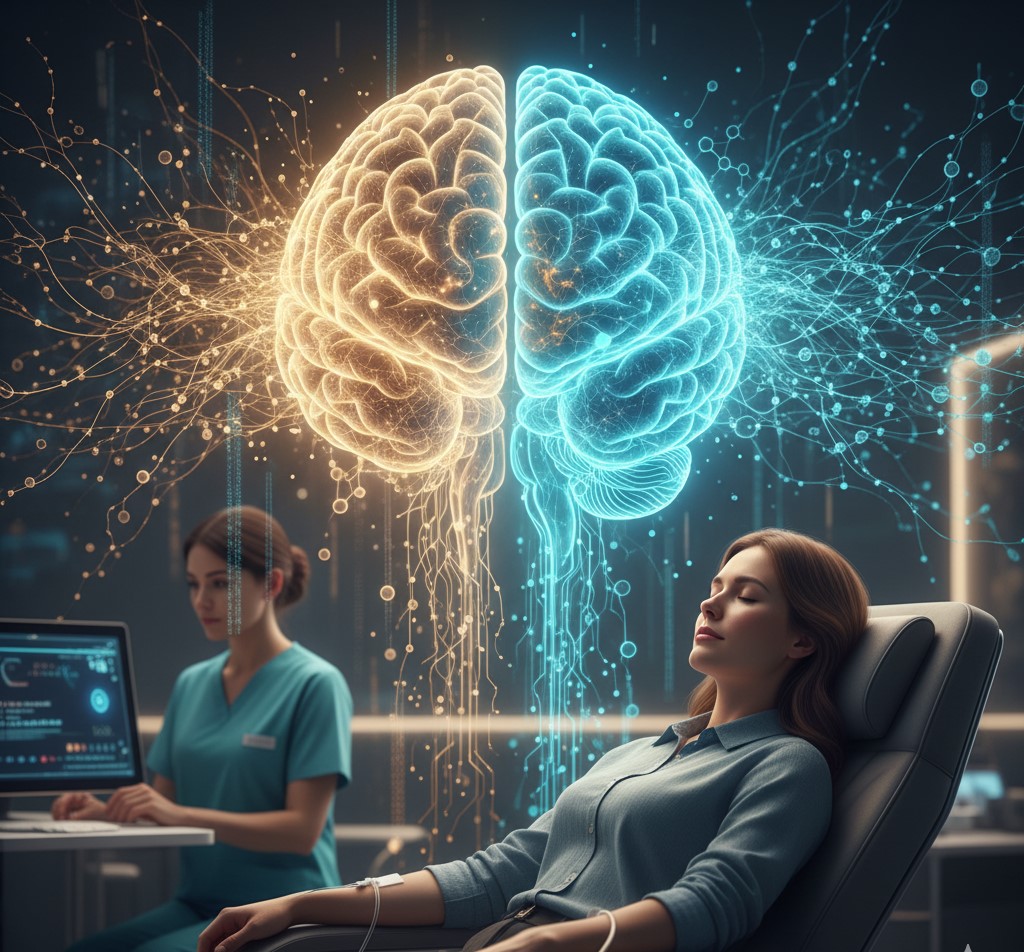
When ketamine is administered by a professional in a therapeutic setting, side effects are generally mild and transient. Daytryp emphasises that ketamine is “well tolerated by most patients” and that a pre‑treatment health screening helps ensure you are a good candidate. According to our FAQ, common short‑term sensations may include a feeling of disconnection from reality, drowsiness, heavy limbs, and hypersensitivity to light or sound. These effects typically vanish within 10–15 minutes after the session.
Daytryp also lists potential cardiovascular effects such as a spike in blood pressure and accelerated heart rate, as well as nausea, blurred vision, headache, and drowsiness. Patients remain conscious during therapy, and our staff monitors vitals and provides recovery time. The emphasis on integration and aftercare ensures that clients process their experiences safely and avoid risky behaviours post‑treatment.
Short‑Term Side Effects
Short‑term or acute side effects are generally dose‑dependent and differ between clinical use and recreational use. In medically supervised therapy, these effects are typically brief and manageable; however, unsupervised or high‑dose use can be more intense.
Physical sensations
- Dizziness, nausea & “loopiness” – NIDA notes that patients may feel dizzy, sleepy or “loopy” with blurred vision or nausea. Delamere’s addiction guide lists a sensation of lightness, difficulty standing, nausea, and dizziness as common short‑term physical effects. These symptoms may be accompanied by an altered perception of time and space.
- Changes in blood pressure & heart rate – Ketamine can raise blood pressure and heart rate. People with cardiovascular conditions should therefore avoid unsupervised use and seek medical evaluation before therapy.
- Drowsiness & sedation – During sessions, you may feel sleepy and heavy‑limbed. Ketamine can cause dizziness, drowsiness, or confusion for several hours, and recommended to avoid driving or operating machinery for at least 24 hours after a general anaesthetic.
Mental experiences
- Dissociation & hallucinations – Ketamine is a dissociative drug, so feelings of separation from the body are expected. Daytryp notes that clients may feel a “sense of self” shift and experience euphoria or extreme relaxation. Some report hallucinogenic effects that fade shortly after the infusion.
- Temporary cognitive changes – Unsupervised users sometimes experience memory lapses or trouble speaking. Systematic reviews of ketamine administration in depression report transient dissociation, sedation, headache, and memory impairment.
Gastrointestinal and urological effects
- Nausea & vomiting – Nausea is one of the most frequently mentioned acute side effects. Drugs.com lists nausea and vomiting among the side effects that may not require medical attention.
- Bladder urgency – In rare cases, individuals may feel a frequent urge to urinate during or shortly after sessions. Talk to Frank warns that ketamine can cause serious bladder problems, including urgent and painful urination; long‑term heavy use may even require surgery. In therapeutic doses, these issues are far less common but still monitored.
Managing short‑term effects
Most acute sensations subside quickly. Staying hydrated, resting in a calm environment, and having support staff present can help. Clients should follow pre‑session instructions: avoid alcohol or other central nervous system depressants, disclose all medications, and refrain from eating heavily right before the session. Daytryp’s Ketamine Integration Coaching explains how to process experiences safely and integrate insights into daily life.
Long‑Term Effects and Dangers
Stories about long‑term ketamine harm often stem from recreational or chronic misuse rather than medically supervised therapy. Nevertheless, it is important to understand the risks. The National Institute on Drug Abuse (NIDA) states that heavy, unsupervised use is associated with memory problems, depression, anxiety, and even psychosis. Long‑term use may also cause abdominal pain (“K‑cramps”) and ketamine‑induced uropathy, a urinary condition that mimics a urinary tract infection.
Cognitive and mental health impacts
- Memory impairment & executive dysfunction – A 2022 systematic review on brain changes in long‑term ketamine abusers found that chronic use may alter gray and white matter integrity, affecting memory and executive functions. These brain changes can contribute to cognitive deficits observed in heavy users. NIDA also notes that long‑term use is linked to memory problems and anxiety.
- Depression & anxiety – Ironically, while ketamine can relieve depression in the short term, frequent unsupervised use may worsen mood disorders. NIDA reports that persistent recreational use can lead to depression and anxiety. The Priory Group echoes this, stating that long‑term use can lead to mood swings, memory loss, paranoia, and even psychosis.
- Psychosis & dissociation – Chronic users sometimes experience lasting hallucinations or psychotic episodes. Long‑term heavy use can induce psychosis and delusions lasting up to a month after stopping, and frequent users may continue to feel dissociated even after the drug’s effects wear off.
Physical health risks
- Bladder and urinary damage – The most well‑documented long‑term complication of ketamine abuse is ketamine‑associated cystitis, characterised by frequent, painful urination and reduced bladder capacity. Long‑term heavy use can lead to serious bladder problems requiring surgical repair. Chronic inflammation and scarring of the bladder wall, leading to urinary reflux and potential kidney damage.
- Kidney and liver damage – Kidney and bladder damage are among the long‑term physical effects. Evidence is emerging for liver damage following regular heavy use. Priory emphasises that chronic ketamine use can damage the kidneys and liver.
- Cardiovascular & respiratory issues – Long‑term abuse may cause increased heart rate, high blood pressure and seizures. Unsupervised use can lead to life‑threatening respiratory depression, especially when combined with other drugs.
- Nasal and injection injuries – Snorting ketamine can damage nasal passageways, while injecting it can harm veins and skin.
How common are these long‑term effects in therapy?
Most long‑term complications occur in people who take ketamine frequently at recreational doses. Clinical studies using therapeutic doses for up to a year have reported transient dissociation, sedation, and memory impairment, but these effects often resolve after stopping treatment and have not been shown to cause structural brain damage. Nevertheless, because research on prolonged medical use is limited, Daytryp follows strict protocols and schedules periodic evaluations to monitor cognitive and physical health.
Ketamine Addiction, Treatment and Outlook

Ketamine does not produce physical withdrawal symptoms like opioids, but it can cause psychological dependence. Laboratory studies show brain changes typical of addictive drugs and that regular use is associated with tolerance and compulsive use. Users can develop tolerance and feel compelled to take higher doses, leading to psychological dependence. Chronic use leads to both physical and psychological dependency.
Recognising addiction
Signs of ketamine dependence include spending significant time obtaining or using the drug, using more than intended and continuing despite negative consequences. People may neglect work, relationships, and hobbies, lose commitments, and experience troubled employment as external side effects.
Treatment and recovery
Recovery typically requires addressing both biological and psychological factors. At Daytryp, clients struggling with substance use disorders are referred to addiction specialists and may benefit from our holistic integration programmes. Priory recommends medically assisted detox, therapy and relapse prevention plans. Because ketamine abuse often co‑occurs with trauma or mental health disorders, integrated treatment that addresses underlying issues leads to better outcomes.
Physical, Mental, and External Impacts
Ketamine’s effects span multiple domains. Breaking them down helps answer specific questions from patients and forum users.
Physical effects
- Somatic sensations – lightness, numbness, difficulty moving, dizziness and nausea. At therapeutic doses, these sensations are usually mild and short‑lived.
- Cardiovascular – elevated blood pressure and heart rate. Individuals with cardiovascular conditions should consult a physician before therapy.
- Bladder & kidney issues – long‑term abuse can cause ketamine cystitis and kidney damage.
- Liver damage – emerging evidence links heavy use to liver injury.
Mental impact
- Perceptual changes – dissociation, hallucinations, and altered time perception.
- Mood changes – euphoria or calm during sessions, but anxiety or panic with unsupervised use.
- Cognitive effects – memory lapses and confusion in the short term; long‑term heavy use may lead to cognitive deficits, mood swings, and psychosis.
External side effects
- Relationship strain – Chronic misuse can lead to aggressive behaviour, social withdrawal and breakdown in relationships.
- Work & education – Cognitive impairment and anxiety may interfere with job performance or schooling.
- Legal consequences – Ketamine is a controlled substance; possession without a prescription is illegal in many countries, and mixing with alcohol or other drugs can have serious legal and health consequences.
Tips for Managing Adverse Effects
- Choose a reputable clinic: Work with a licensed provider like Daytryp that offers physician‑led dosing, health screenings, and integration support. Avoid unsupervised or recreational use.
- Disclose your medical history: Tell your practitioner about cardiovascular conditions, psychiatric diagnoses, medications, and substance use. Daytryp’s medical director checks blood pressure, pulse, and other vitals before treatment.
- Follow pre‑session instructions: Avoid alcohol, benzodiazepines, opioid,s and other CNS depressants before sessions. Eat lightly to reduce nausea and arrange transportation home.
- Stay hydrated and rest: Drink water before and after sessions and rest in a comfortable, quiet space during recovery. Nausea and dizziness often improve with hydration and time.
- Integrate your experience: Journaling, meditation, and integration coaching help process the dissociative experience and translate insights into lasting change.
- Monitor for signs of dependency: If you find yourself craving ketamine outside of prescribed sessions or neglecting other aspects of life, seek professional help. Programmes like the Heroes Program can support recovery.
- Prioritise overall wellness: Exercise, nutrition, sleep hygiene, and therapy enhance the benefits of ketamine treatments and reduce side effects. For example, Daytryp’s FAQ recommends creating a sleep routine and limiting blue light to improve sleep after treatment.
Conclusion: A Balanced Perspective
Ketamine can be a life‑changing therapy when used responsibly. Daytryp’s medically supervised sessions minimise side effects, and most patients experience only mild, short‑lived sensations like dizziness, nausea, and dissociation. In contrast, chronic recreational use at high doses can lead to significant long‑term problems such as memory impairment, depression, psychosis, and bladder damage. Understanding these differences empowers you to make informed decisions.
If you or a loved one is considering ketamine therapy, reach out to Daytryp. Our team offers Ketamine Assisted Psychotherapy, Integration Coaching, and specialised treatments for depression, anxiety, trauma and chronic pain. We believe in safe, compassionate care that harnesses ketamine’s transformative potential while honouring your mental, physical, and spiritual well‑being.
Ready to learn more? Contact us or schedule your intake to begin your journey toward healing.







 Daytryp Health has taken
  The
The