
Ketamine has become one of the most talked‑about medicines in mental‑health and pain‑management circles. At Daytryp Health & Psychedelic Wellness, we welcome this conversation because it helps dispel misinformation that keeps people from accessing life‑changing therapy.
Our mission and why this topic matters
Daytryp’s mission is to provide safe and effective psychedelic therapy to people who have been left behind by traditional treatments. Our vision is to revolutionize the treatment of chronic mental‑health and pain conditions by intentionally using psychedelic medicine to make life more joyful and meaningful.
One question we hear often is whether ketamine is just another opioid. This blog draws from scientific research, expert sources and clinical experience to answer that question, correct common myths and explain ketamine’s true classification.
What is ketamine?
Ketamine is a synthetic compound first synthesized in the early 1960s and used as a battlefield anesthetic during the Vietnam war. It was approved for human use in 1970 and has been used since then as a dissociative anesthetic—a medication that induces a trance‑like state of sedation, pain relief and amnesia while preserving breathing and reflexes.
Unlike opioids (morphine, oxycodone, heroin) that are derived from the opium poppy and primarily bind to mu‑opioid receptors to block pain, ketamine belongs to a class of N‑methyl‑D‑aspartate (NMDA) receptor antagonists. This means it blocks NMDA receptors (linked to the neurotransmitter glutamate) and modulates various neural circuits, producing analgesia and altering consciousness. Pharmacologically, ketamine is classified as a cyclohexanone and is structurally distinct from opioids.
In the United States, ketamine is listed as a Schedule III controlled substance—reflecting its medical utility with moderate potential for abuse—whereas most prescription opioids are Schedule II drugs with higher addiction risk.
How ketamine works in the brain
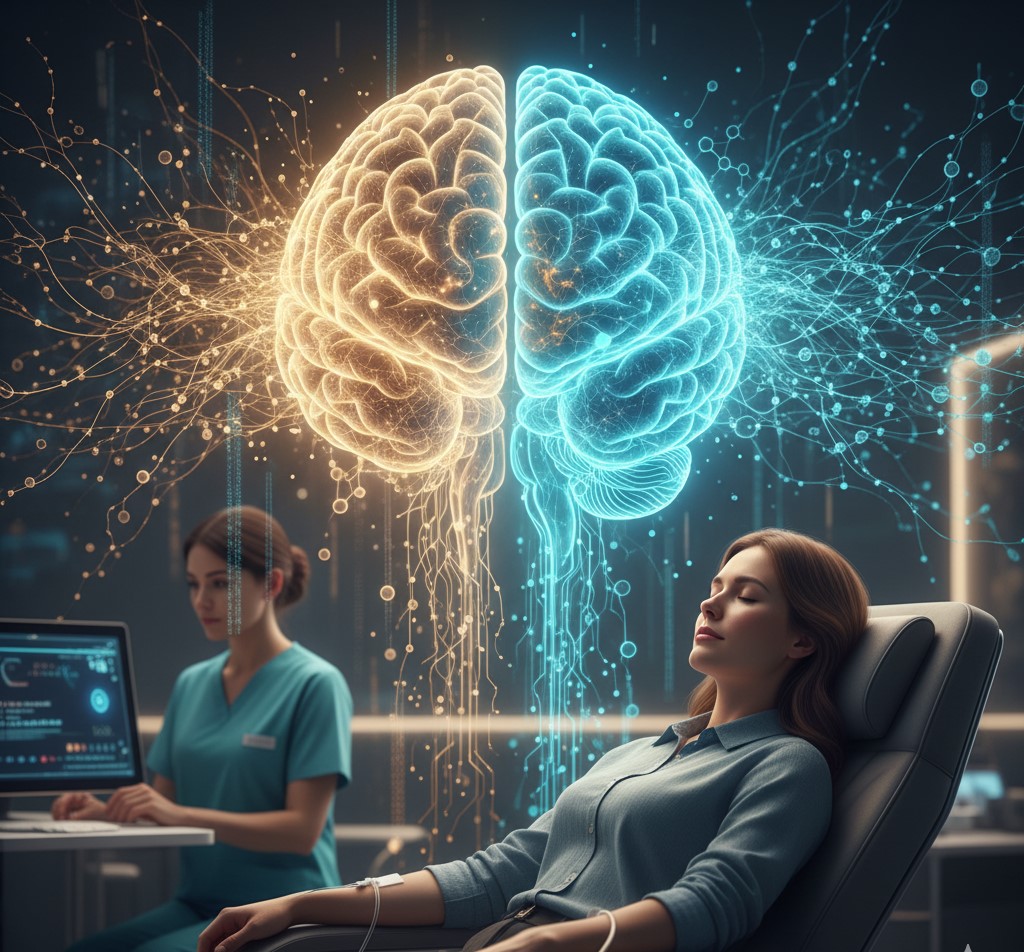
- NMDA antagonism and glutamate surge: At therapeutic doses, ketamine blocks NMDA receptors, increases extracellular glutamate and promotes synaptic growth and neuroplasticity. This mechanism is believed to underpin ketamine’s rapid antidepressant effects.
- Secondary interactions: Ketamine also interacts with opioid, cholinergic and monoamine receptors, but these interactions are limited and do not define its primary mode of action. Studies show that ketamine’s analgesic and mood‑lifting properties persist even when opioid receptors are blocked with naloxone, emphasizing that ketamine is not an opioid.
- Neuroplasticity and mood: By enhancing glutamate signalling, ketamine stimulates new synaptic connections and can quickly reverse stress‑induced synaptic loss. Clinical trials have shown significant improvements in depression and anxiety within hours to days after treatment.
Ketamine vs. opioids: key differences
| Aspect | Ketamine | Opioids |
| Chemical class | Cyclohexanone; dissociative anesthetic | Alkaloids or semi‑synthetic derivatives of opium |
| Primary receptor target | NMDA receptor antagonist | Mu‑, delta‑, and kappa‑opioid receptors |
| Clinical uses | Anesthesia, procedural sedation, pain management, treatment‑resistant depression, PTSD, chronic pain, and opioid withdrawal | Analgesia, cough suppression, diarrhea control, opioid maintenance therapy |
| Drug schedule (U.S.) | Schedule III—moderate abuse potential | Many are Schedule II (high risk of addiction) |
| Addiction potential | Lower when used in medical settings; risk exists mainly with recreational misuse | High potential for tolerance, dependence, and overdose |
| Respiratory effects | Preserves breathing and reflexes | Can cause respiratory depression, a major cause of overdose deaths |
Debunking common myths about ketamine
Myth 1: “Ketamine is only a party drug.”
While ketamine has been misused recreationally as “Special K,” its legitimate medical applications far outweigh illicit use. In clinical settings, ketamine is administered in controlled doses by trained professionals. Studies demonstrate rapid improvement in depression, anxiety, and PTSD symptoms within hours. This makes ketamine a lifeline for patients unresponsive to traditional therapies.
Explore more: Learn how ketamine can be a miracle medicine and its diverse therapeutic uses.
Myth 2: “Ketamine is an opioid and is just as addictive.”
Ketamine is not an opioid. Opioids produce analgesia by binding to opioid receptors, whereas ketamine blocks NMDA receptors and induces dissociation. Although ketamine can interact with opioid receptors, these interactions do not drive its primary effects. Research and clinical experience show that when administered under medical supervision, ketamine has a lower potential for addiction than opioids.
Our clinic uses careful dosing and integration support to minimize misuse risk. Some studies even explore ketamine as a treatment for opioid use disorder because it can reset reward pathways and reduce withdrawal symptoms.
Myth 3: “Ketamine and opioids are equally dangerous.”
The danger profile of ketamine is different from that of opioids. In high doses, ketamine can cause agitation, cognitive disturbances, nausea, and transient hallucinations. However, it preserves airway reflexes and breathing, making it much safer than opioids in emergency settings. Opioids carry a much higher risk of fatal overdose due to respiratory depression; over 80,000 opioid overdose deaths were reported in 2021. Ketamine’s Schedule III classification reflects its moderate risk; most opioids are classified more restrictively.
Myth 4: “Ketamine clinics are unregulated and unsafe.”
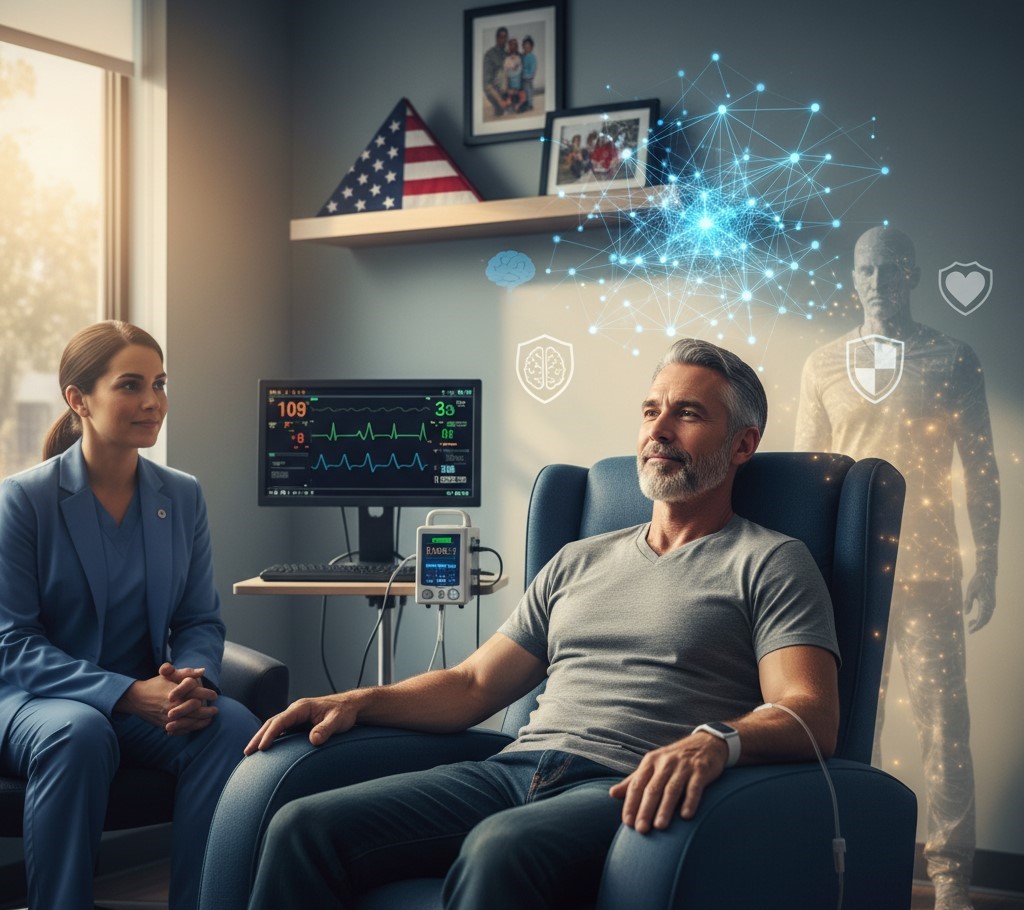
In reality, ketamine therapy is provided in licensed medical facilities. Clinics must adhere to stringent safety protocols, including health screening, monitoring of vital signs, and post‑treatment observation. Many clinics, including Daytryp Health, are staffed by board‑certified physicians, nurse practitioners, and therapists who follow evidence‑based guidelines.
We combine ketamine infusions with integration coaching to help patients process experiences and integrate insights into daily life.
Myth 5: “Ketamine is highly addictive and should be avoided.”
The perception of ketamine as highly addictive stems from its recreational misuse. In clinical practice, ketamine is administered in low, controlled doses over short durations. Studies indicate that patients under medical supervision rarely develop dependence. In fact, ketamine is being investigated as a treatment for substance use disorders. Our path‑to‑healing program uses ketamine to alleviate opioid withdrawal symptoms and reset the brain’s reward system.
Myth 6: “Opioids are the only effective option for pain management.”
Ketamine offers powerful pain relief, particularly in situations where opioids are ineffective or contraindicated. A systematic review of randomized controlled trials found that ketamine provided similar pain scores to opioids in the first 30 minutes and superior pain relief at 60 minutes for renal colic patients. Ketamine’s analgesic benefits, combined with its ability to spare opioid dosing, make it a valuable alternative in multimodal pain management.
Ketamine’s expanding therapeutic roles

Rapid antidepressant effects
Conventional antidepressants take weeks to work, and many patients receive little or no relief. Ketamine has revolutionized depression treatment by providing rapid symptom reduction. Controlled studies report significant improvements in depressive symptoms within 72 hours of administration. The drug’s NMDA antagonism triggers a surge in glutamate that supports neuroplasticity, potentially reversing stress‑induced synaptic loss.
Ketamine’s mood‑lifting effects make it a promising option for treatment‑resistant depression, bipolar depression, and postpartum depression. Our program explains how rapid relief can be life‑saving for adolescents in crisis.
Post‑traumatic stress disorder (PTSD) and anxiety
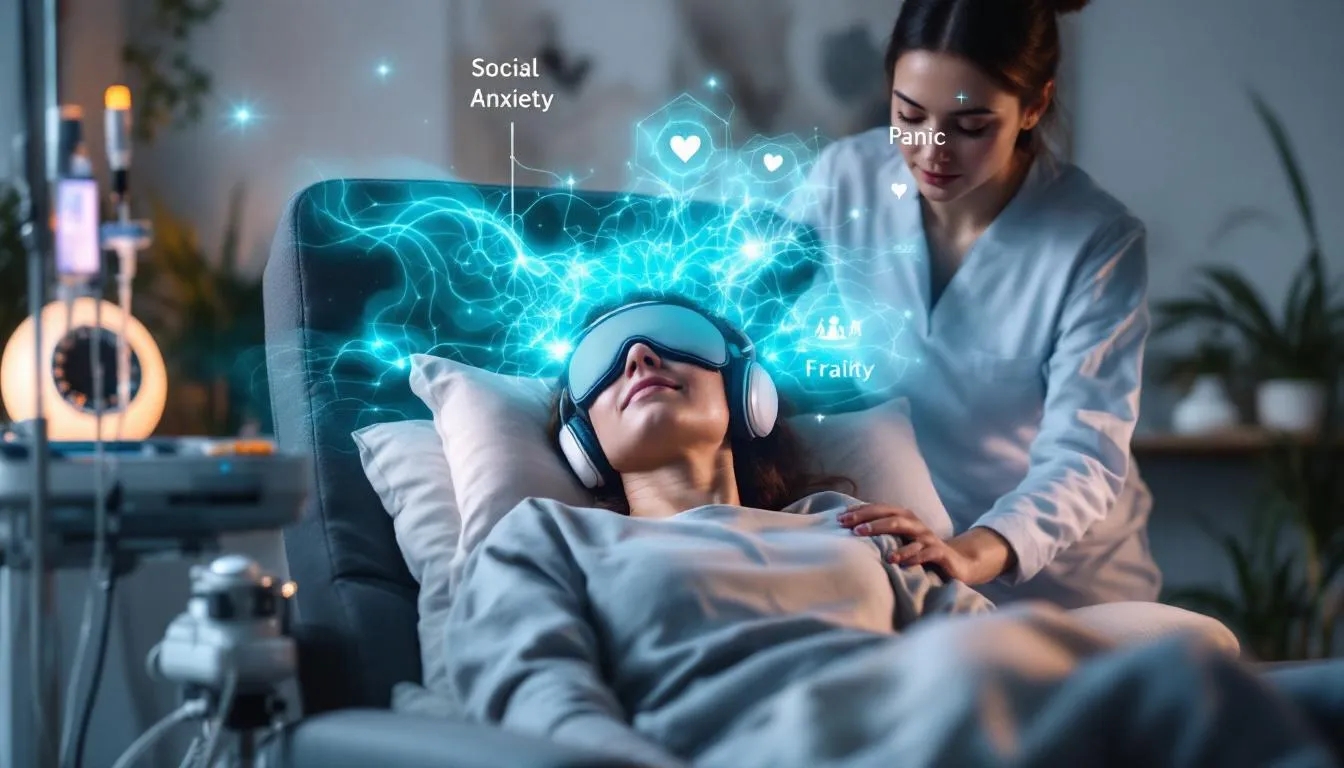
PTSD and anxiety disorders often involve rigid neural patterns and overactive fear circuits. By promoting neuroplasticity and modulating glutamate, ketamine can disrupt these patterns and foster new connections. Studies show that patients experience significant reductions in PTSD and anxiety symptoms shortly after treatment.
Ketamine therapy is integrated into broader treatment plans that include psychotherapy, mindfulness practices and lifestyle adjustments. At Daytryp, we offer ketamine therapy for trauma and PTSD and combine it with ongoing integration coaching.
Substance use and opioid withdrawal
Emerging evidence suggests that ketamine may help treat alcohol and opioid use disorders by disrupting maladaptive neural circuits and reducing cravings. When used in a supportive therapeutic environment, ketamine can facilitate introspection and resilience. Patients undergoing our opioid withdrawal program often report decreased cravings and a smoother detox experience.
End‑of‑life care and personal growth
Beyond treating illness, ketamine can enhance existential and spiritual well‑being. Low‑dose ketamine sessions have been used to ease existential distress in end‑of‑life care, helping patients find peace and meaning. Ketamine is also explored as a tool for personal growth, supporting positive psychology and deeper self‑understanding.
Safety considerations and responsible use
Potential side effects
Common side effects of ketamine include transient nausea, dizziness, disorientation, and elevated blood pressure. In some patients, hallucinations or emergence delirium may occur, but these effects typically resolve shortly after treatment. High doses can cause agitation or cognitive disturbances. Serious risks such as respiratory depression are rare when ketamine is administered correctly, and there have been isolated reports of misuse in facilitating sexual assault—a sobering reminder of the need for strict medical oversight.
Responsible prescribing and integration
Safety is paramount. Daytryp follows rigorous screening procedures to determine if ketamine is appropriate for each patient. This includes reviewing medical history, assessing psychiatric conditions, and discussing expectations. During infusions, patients are continuously monitored, and sessions are followed by integration coaching to help process insights and implement lifestyle changes.
Conclusion: Moving beyond misconceptions
Ketamine is often misunderstood because of its recreational reputation and analgesic properties. It is not an opioid; it is a dissociative anesthetic that acts on NMDA receptors, has a distinct chemical structure, and carries a lower risk of addiction when used responsibly. Compared with opioids, ketamine preserves respiratory function and can even reduce opioid requirements in pain management.
At Daytryp Health, our mission is to offer safe, effective, and compassionate psychedelic therapy for mental health and pain conditions. Ketamine is a powerful tool in this mission, but it must be delivered in a controlled, supportive environment. By understanding ketamine’s classification, mechanisms, and therapeutic potential, patients can make informed decisions and dispel myths that hinder healing.
Ready to explore whether ketamine therapy could be right for you? Contact our team today to start your journey toward relief and renewal.





 Daytryp Health has taken
  The
The